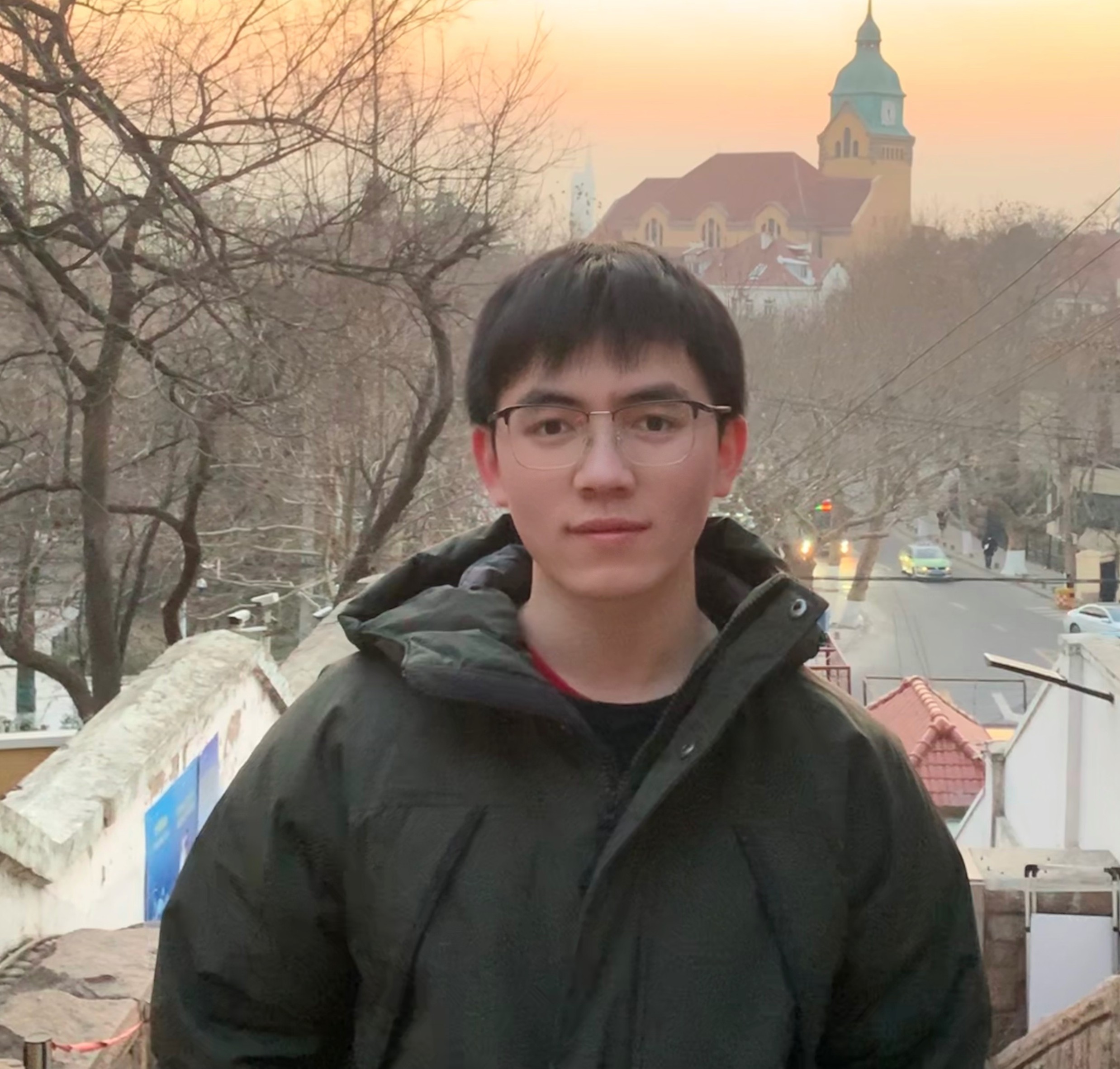
👋 Hi, I am Zhangding Liu
I am a Ph.D. student in Computational Science and Engineering at Georgia Institute of Technology, advised by Prof. John E. Taylor. My research focuses on machine learning, multimodal learning, and large language models, with the goal of advancing AI capabilities in understanding, reasoning, and interacting with complex real-world environments.
I have collaborated with leading researchers and industry partners, including Lawrence Berkeley National Laboratory, Partnership for Innovation, and Emergency Services Departments, implementing AI for multimodal data analysis and disaster-aware resilience in smart city digital twins.
With expertise in machine learning, deep learning, and LLMs, as well as a strong background in engineering applications, I am passionate about leveraging AI to address real-world challenges.
I welcome research collaborations and academic discussions in related areas.
Selected Research Projects
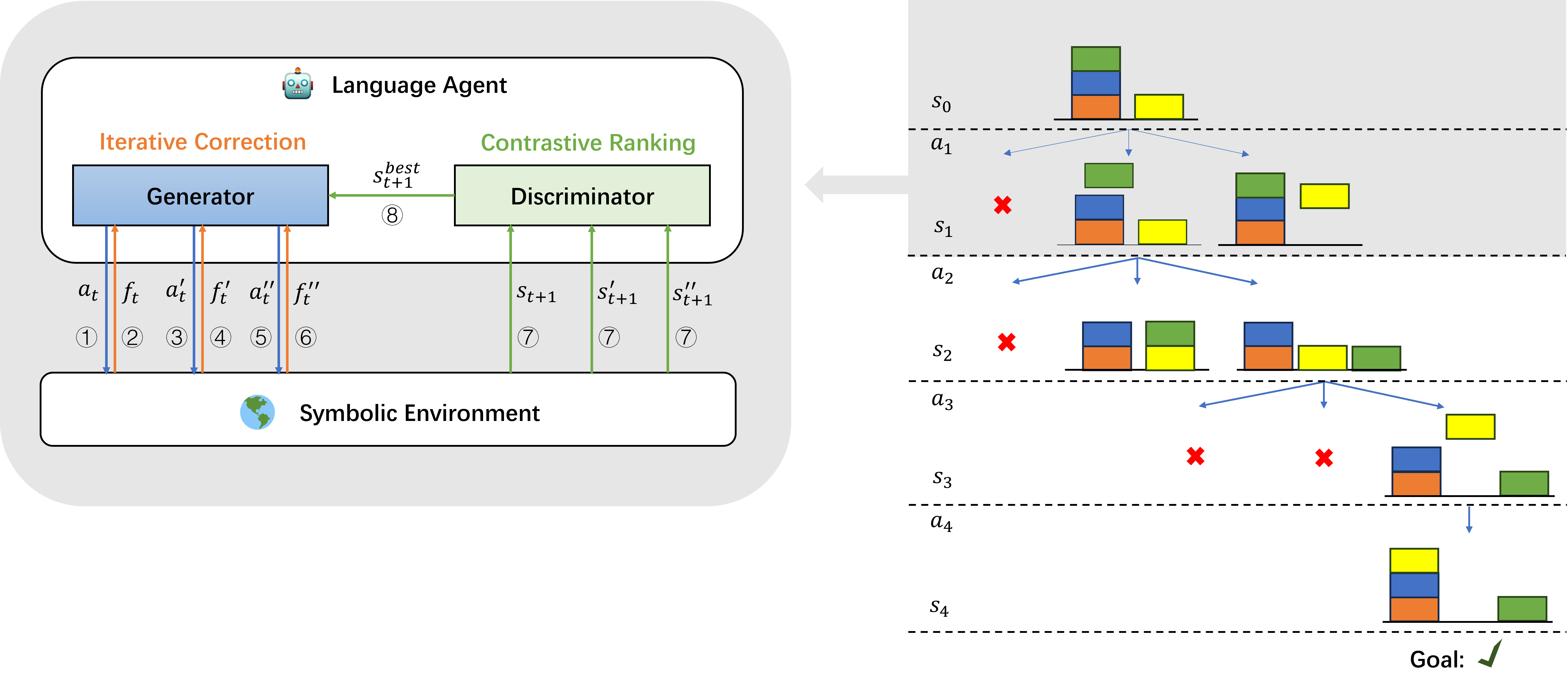
SymPlanner: Deliberate Planning in Language Models with Symbolic Representation
Advances in Cognitive Systems · 2025
LLMs, Long-Horizon Agent Planning
SymPlanner augments LLMs with symbolic world models for multi-step planning, using iterative correction and contrastive ranking to improve planning reliability. The paper reports 54.2% overall accuracy on PlanBench with GPT-4.1, compared with 25.0% for four-shot CoT and 24.2% for RAP.
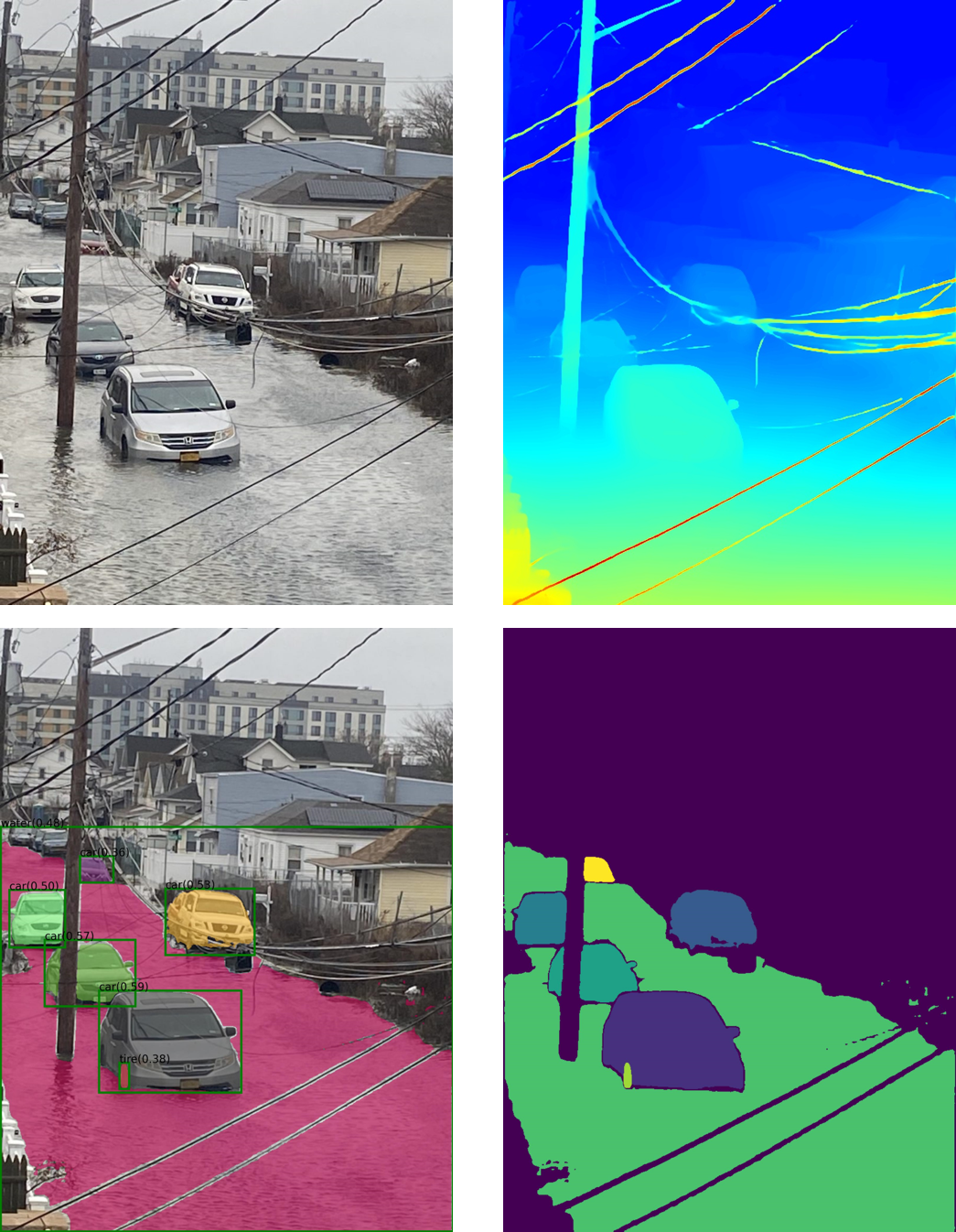
FloodVision: Knowledge-Guided Vision-Language Inference for Image-Based Urban Flood Depth Estimation
i3CE 2026 · Accepted for oral presentation
Computer Vision, Vision-Language Models, Urban Flooding
FloodVision combines a general-purpose vision-language model with FloodKG, a domain knowledge base of object dimensions and component landmarks, to estimate flood depth from a single RGB image without task-specific training.
Related system project: As a Research Assistant Intern at Partnership for Innovation, I architected a coastal flood resilience digital twin integrating road-closure reports, roadside sensors, and camera feeds for street-level flood monitoring and emergency response.
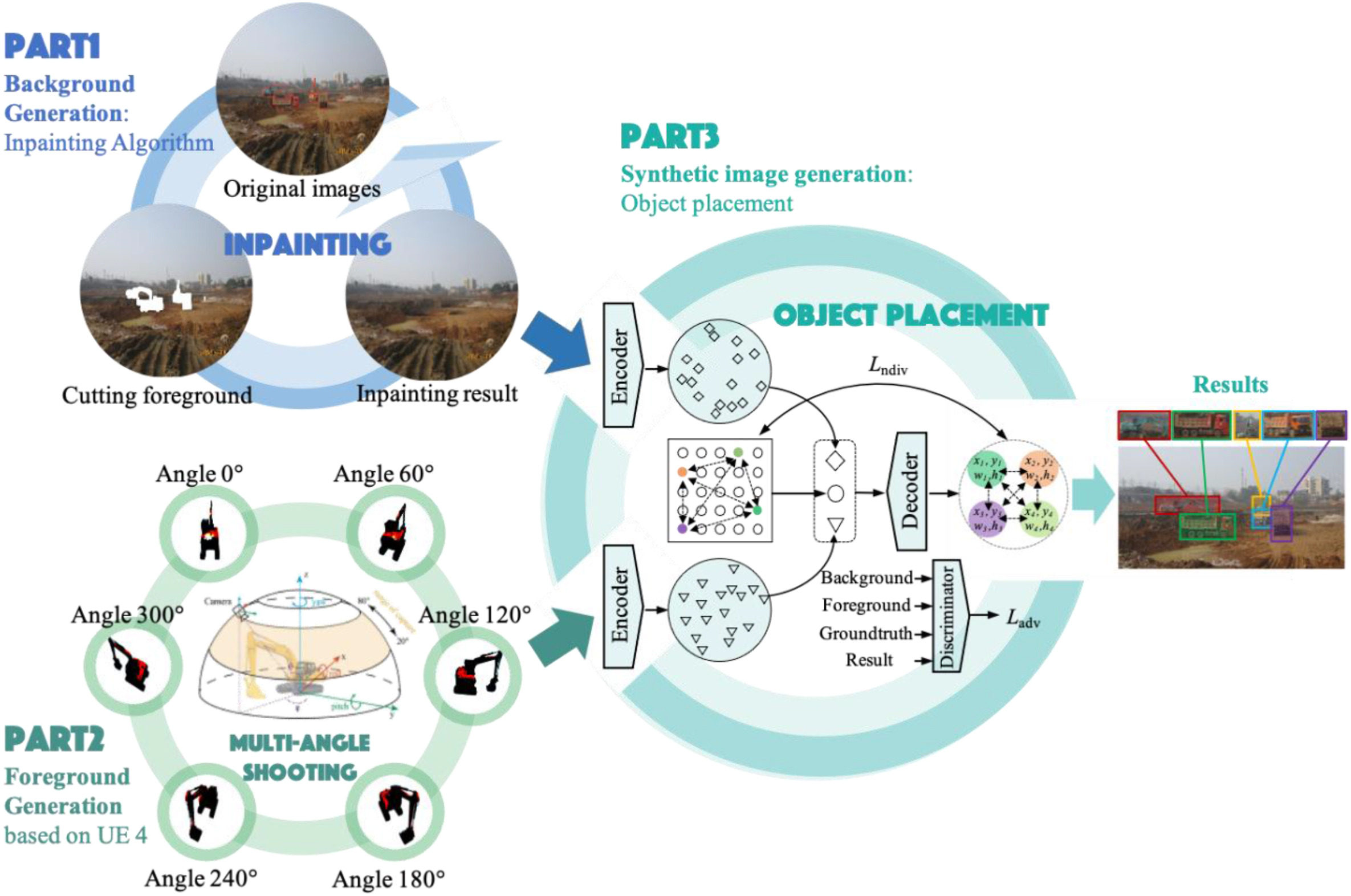
Generating synthetic images for construction machinery data augmentation utilizing context-aware object placement
Developments in the Built Environment · 2025
Computer Vision, Synthetic Data, Construction AI
This work integrates Unreal Engine, multi-angle foreground capture, and a Swin Transformer-enhanced PlaceNet framework for context-aware construction machinery image synthesis. The paper reports 85.2% mAP in object detection, 2.1 percentage points above the real-dataset comparison.
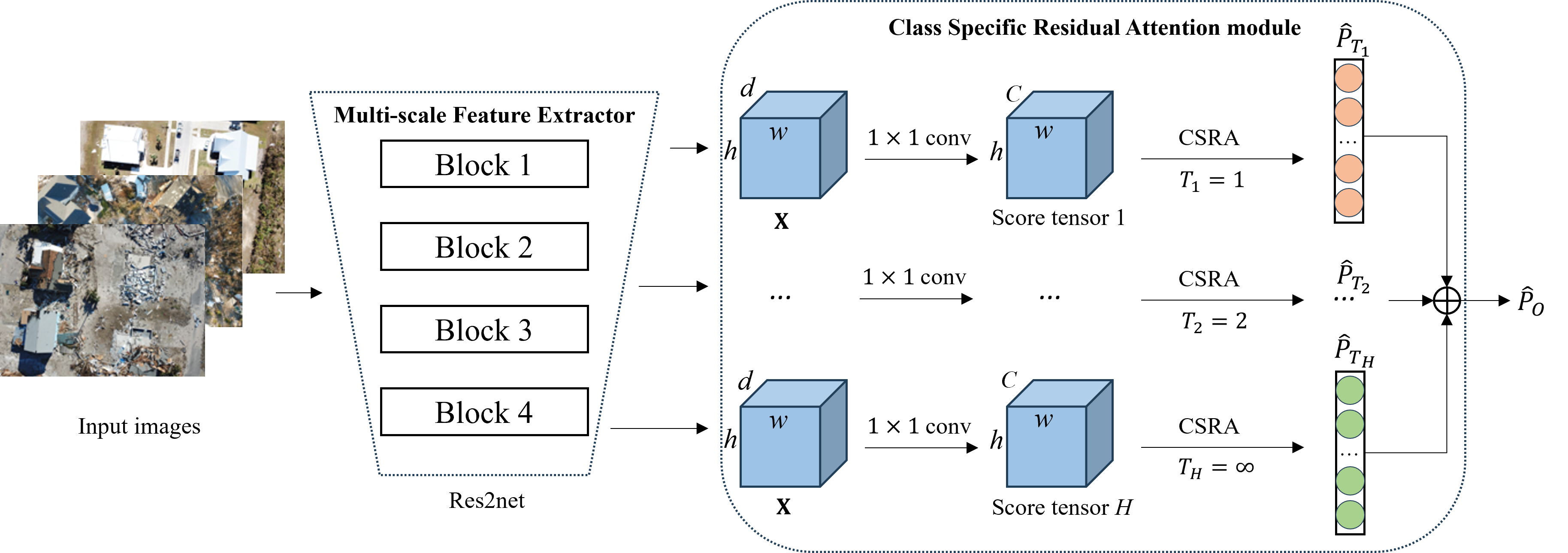
MCANet: A Multi-Scale Class-Specific Attention Network for Multi-Label Post-Hurricane Damage Assessment Using UAV Imagery
Journal of Computing in Civil Engineering · Accepted
Computer Vision, Disaster Response, Deep Learning
MCANet combines a Res2Net-based multi-scale backbone with class-specific residual attention for multi-label classification of post-hurricane UAV imagery. The paper reports 91.37% mAP on RescueNet, 1.90 percentage points above ViT-B/16, supporting assessment of co-occurring damage categories.
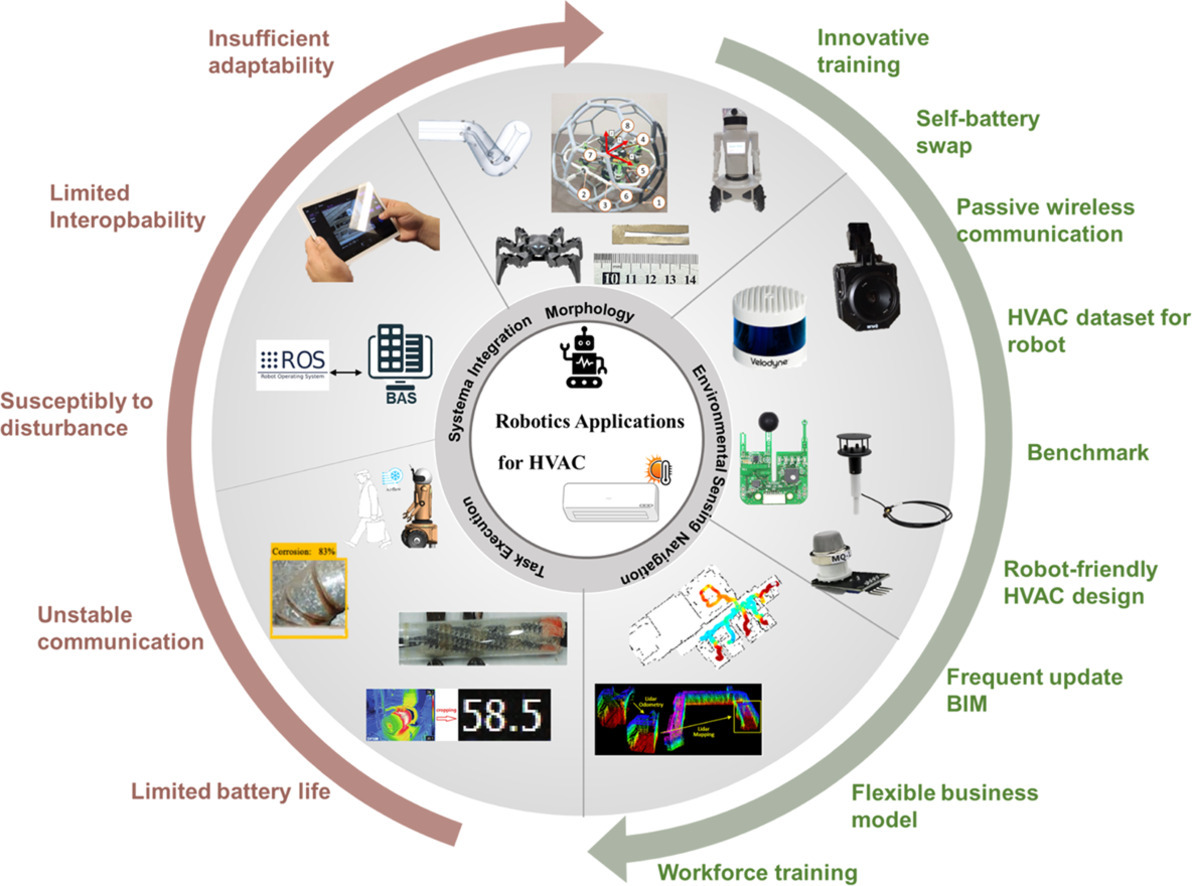
Robotics for HVAC applications: A critical review and future perspectives
Building and Environment · 2026
Robotics, HVAC Systems, Urban Heat Resilience
I contributed to a review of robotics applications in HVAC systems, covering installation, inspection, and maintenance.
Related research experience: During my 2024 internship at Lawrence Berkeley National Laboratory, I developed a Heat Vulnerability Index map for Oakland using weather, demographics, health, and green-space data, and a CityBES web app to visualize it.
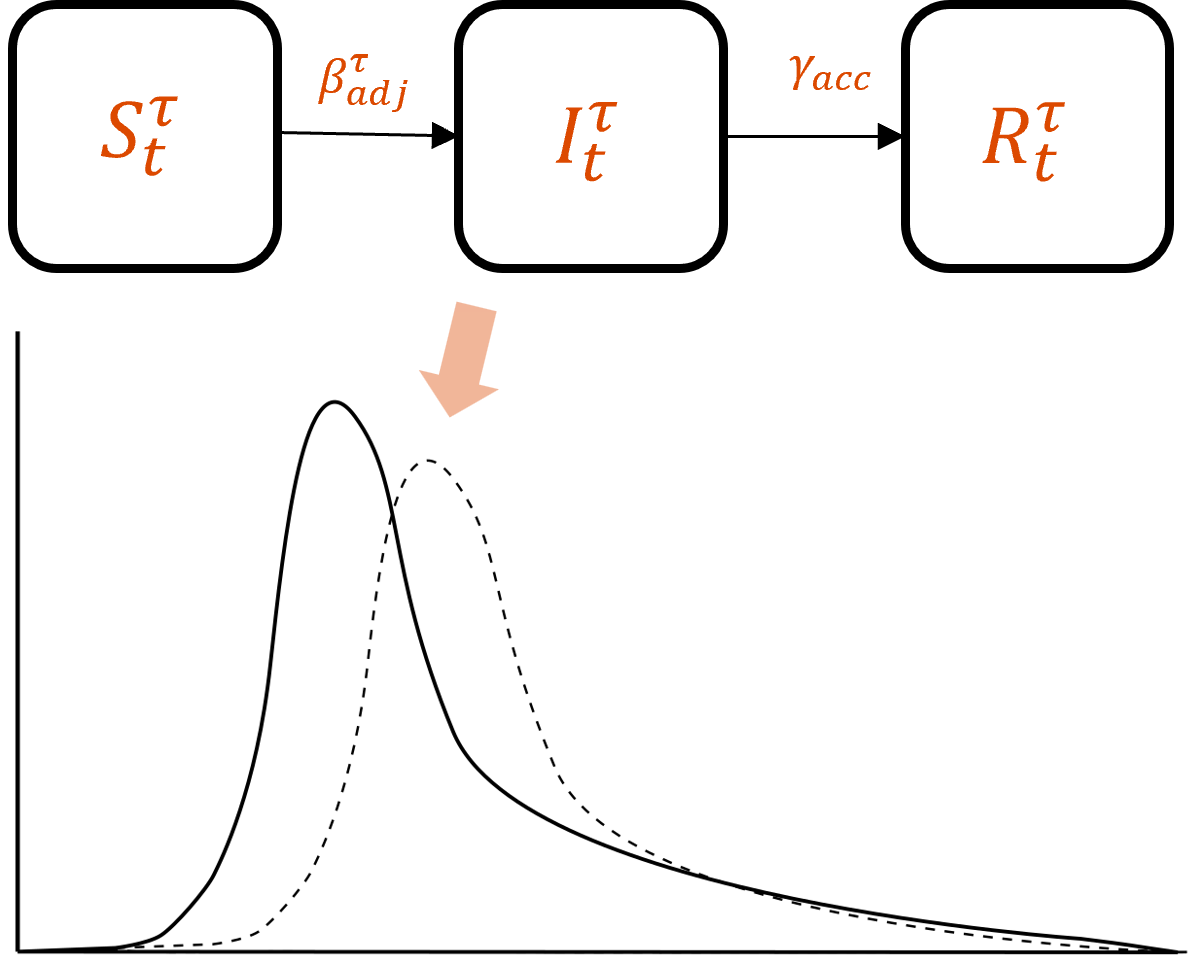
Adjusting Mechanistic Epidemiological Models to Account for Urban Infrastructure Factors
Research Square · Preprint
Machine Learning, Neural Networks, SIR Parameter Calibration
This work combines neural networks with mechanistic epidemiological models to adjust transmission parameters using urban crowding, mobility, and socioeconomic factors. The preprint reports a 45.40% reduction in RMSE relative to the baseline SIR model in the evaluated early-outbreak setting.
📝 PUBLICATIONS
For a complete list of my publications, please visit my Google Scholar profile:
- Google Scholar: Google Scholar Profile
🎓 EDUCATION
🏆 HONORS AND AWARDS
-
Gilbert F. “Gil” Amelio Engineering Fellowship - Georgia Institute of Technology
-
First-Class Scholarship - Tongji University
📬 CONTACT
- Email: zliu952 (replace “AT” with “@”) gatech (replace “DOT” with “.”) edu
- LinkedIn: linkedin.com/in/zhangding